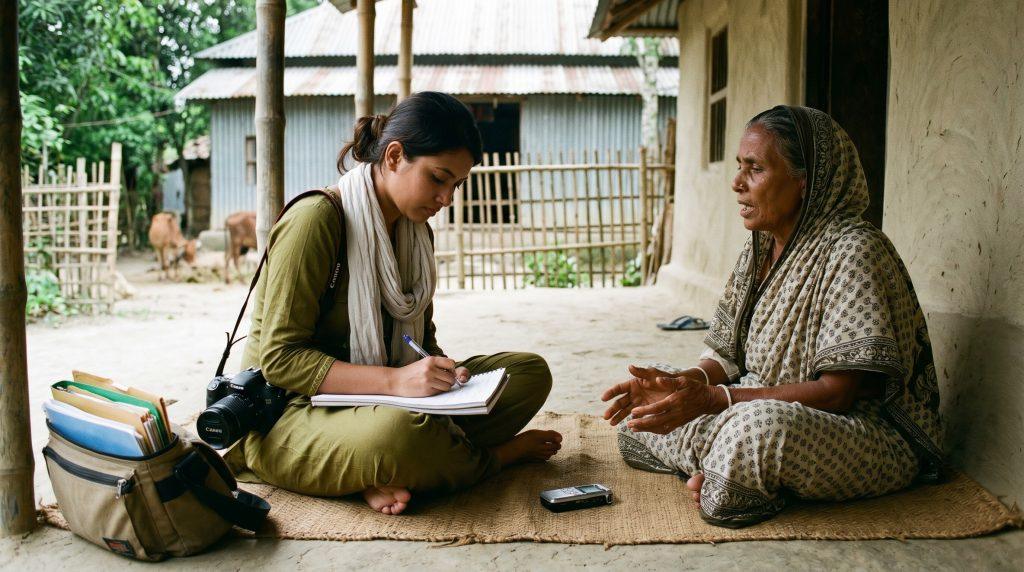
We support people to improve lives and promote human vitality through design. We inspire designers, humanitarian and development practitioners, activists, community leaders and anyone else looking to address social problems, especially in places where design has been traditionally unavailable or inaccessible. We provide support through:
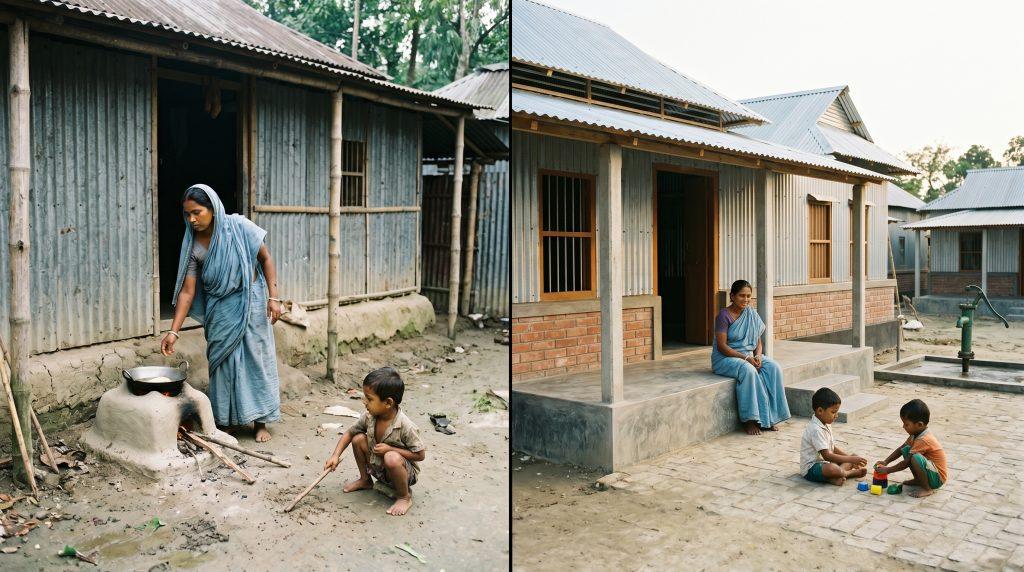
● Housing and Settlement Design- Solutions across emergency, transitional, and long-term conditions.
● Context-driven and durable solutions- across emergency, transitional, and long-term conditions.
● Disaster and Climate Response-Addressing environmental risk, displacement, and recovery.
● Design strategies addressing environmental risk, displacement, and recovery.
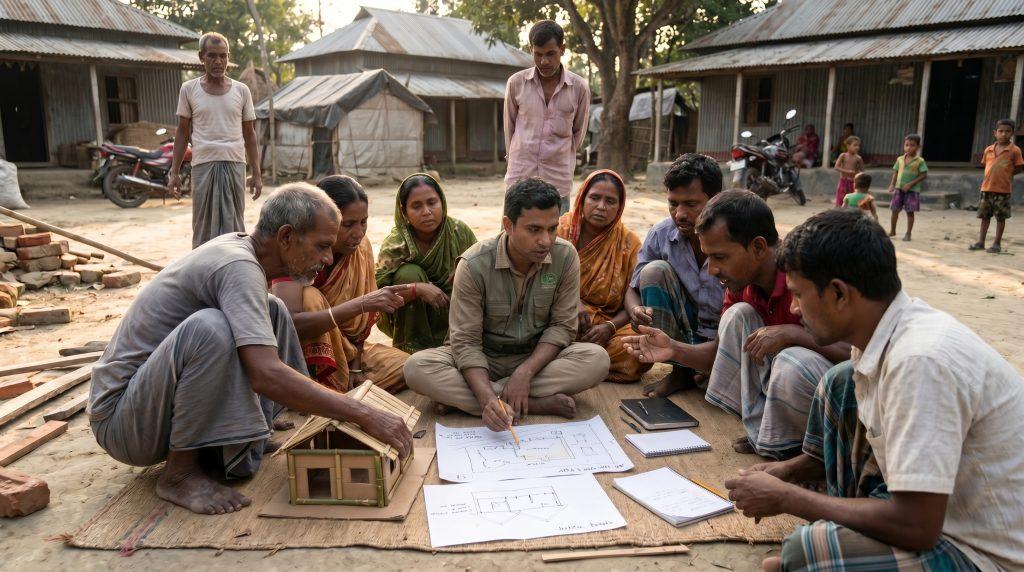
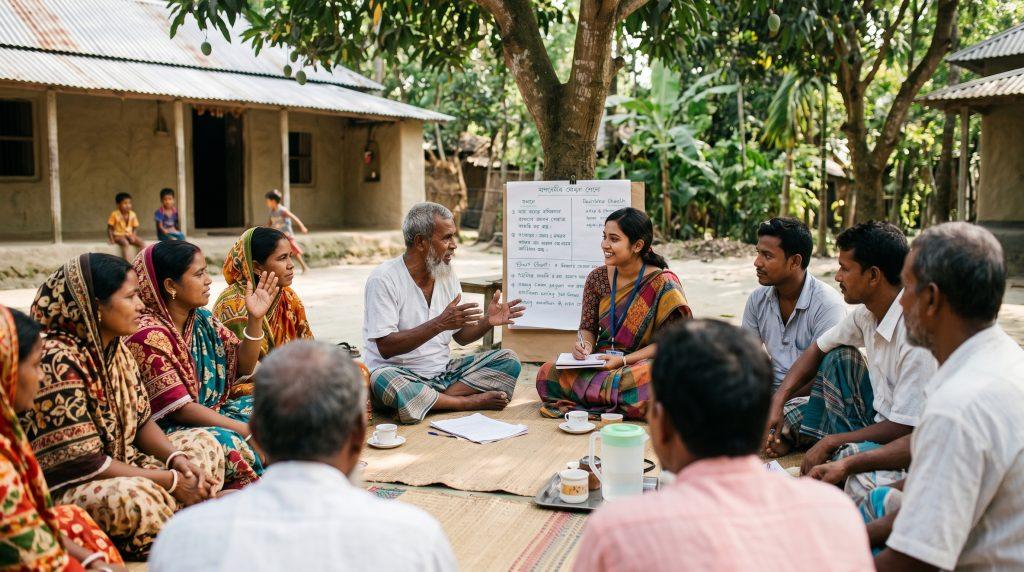
● Community-Led Planning and Advocacy-Working with inhabitants as active participants in shaping space.
● Participatory processes that position inhabitants as co-producers of space.
● Applied Research- Bridging academic knowledge, policy frameworks, and on-ground implementation.
We focus on communities experiencing:
Our work spans:
DESIGN. RESEARCH. CONNECT. TRANSFORM.
Our work begins with careful understanding of context and availability of local resources.
We recognize that every place is shaped by:
This understanding informs how we design, plan, and engage.
Our approach is grounded in:
IAD works at the intersection of architecture, development, and humanitarian practice, collaborating with:
We position ourselves not as external consultants, but as long-term partners in spatial Transformation.